Electric Convection: A Detailed Overview
Electric convection, also known as electroconvection, is a complex physical phenomenon that occurs when an electric field is applied to a fluid medium, resulting in the movement of charged particles and the subsequent transfer of heat. This process involves the interaction of electrical forces with the fluid's natural convective currents, leading to a unique form of heat transfer.
Mechanism of Electric Convection
Electric convection is primarily driven by the presence of an external electric field, which induces charges within the fluid. These charges, in turn, interact with the electric field, generating forces that cause the fluid to move. This movement of the fluid, coupled with the natural convection due to temperature differences, enhances the overall heat transfer process.
In simpler terms, when an electric field is applied to a fluid, the charged particles within the fluid experience a force that causes them to move. This movement of charged particles results in a current, known as the electric convection current. As these charged particles move through the fluid, they carry heat with them, leading to an increased rate of heat transfer compared to natural convection alone.
Applications of Electric Convection
Electric convection has several practical applications in various fields, including:
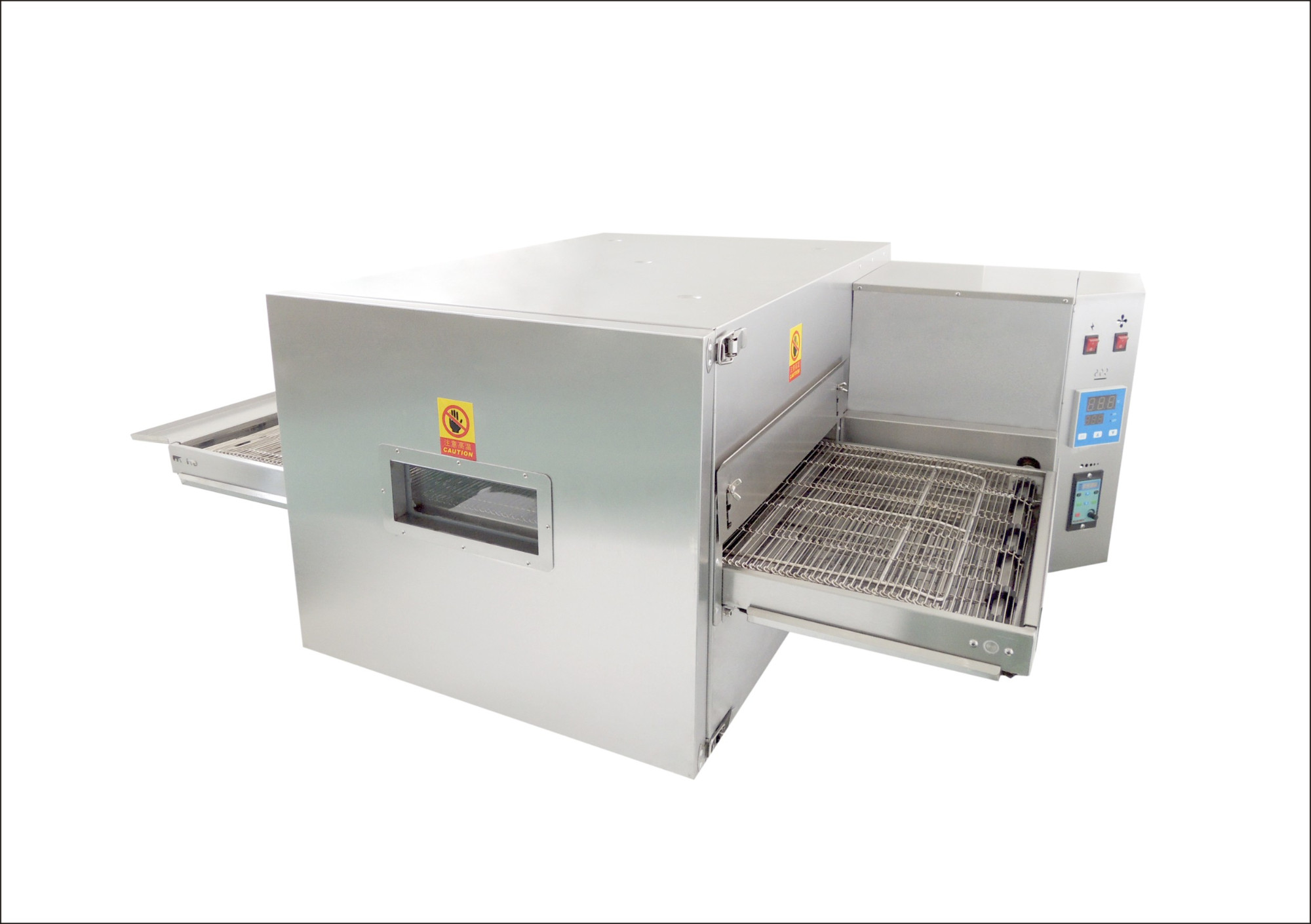
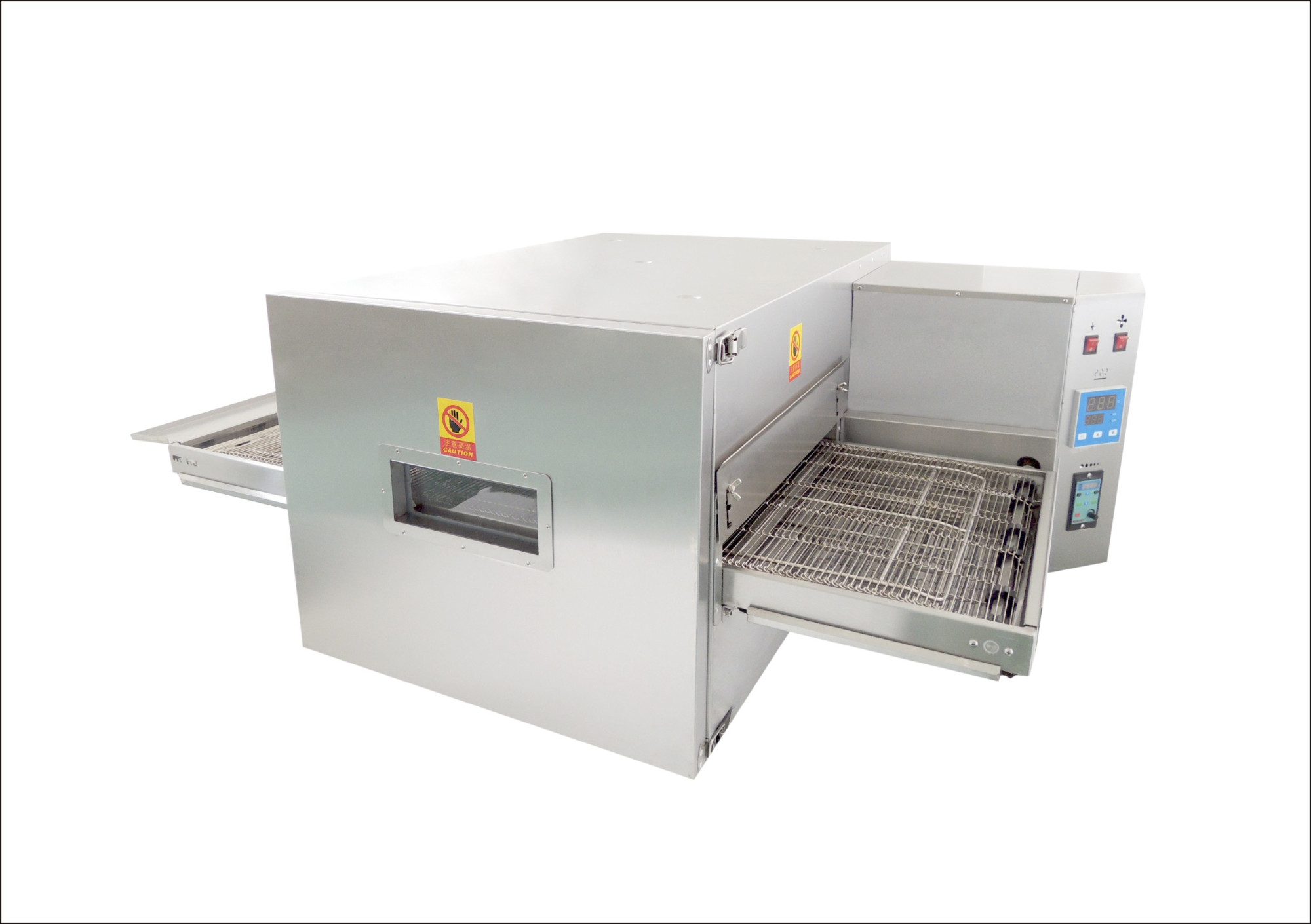
Electric Convection Ovens: These ovens utilize electric convection to cook food more evenly and efficiently. By circulating hot air using electric fans, they ensure that heat is distributed uniformly, resulting in better cooking results.
Heat Transfer Enhancement: In industrial processes, electric convection is used to enhance heat transfer in fluids, improving the efficiency of heating and cooling systems.
Electrical Discharge Convection Lasers: In laser technology, electric convection is employed to improve the performance of lasers by enhancing the flow of charged particles.
Research and Future Directions
The study of electric convection is an active area of research, with scientists exploring new ways to harness its potential. One of the key areas of focus is the development of more efficient heat transfer systems for industrial and domestic applications.
In addition, researchers are investigating the use of electric convection in emerging technologies, such as renewable energy systems and advanced materials processing. By better understanding the underlying physics of electric convection, scientists hope to develop new and innovative ways to utilize this phenomenon for the benefit of society.
Conclusion
Electric convection is a fascinating and versatile phenomenon that has numerous practical applications. By harnessing the power of electrical forces to enhance heat transfer, we can improve the efficiency of various systems and processes, paving the way for a more sustainable and technology-driven future.
| Model | Dimension | Inner size | Power | Heat | Gas | Voltage ( V ) | Work | The length of conveyor belt | Temperature | Gas Pressure | Net weight |
| ( mm ) | ( mm ) | ( W ) | Flux | Type | area | ( mm ) | ( Kpa ) | ( KG ) | |||
| (KW/h) | ( mm ) | ||||||||||
| MEP-14H | 1450*1000*550 | - | 9000 | - | - | 380V/50Hz | 425*1440 | 1440 | 0-400 | - | 160 |
| MEP-18H | 1440*1110*550 | - | 10800 | - | - | 380V/50Hz | 525*1440 | 1440 | 0-400 | - | 188 |
| MEP-32H | 2000*1400*550 | - | 18000 | - | - | 380V/50Hz | 815*2000 | 2000 | 0-400 | - | 260 |